

Ingredients, explained
Know what’s inside, and why
Scan a product and see what each ingredient is, why it may matter for the health topics you choose, and the sources behind every result.
Coming soon to the App Store and Google Play
- No sign-up
- Sources on every flagged ingredient
- Your health topics stay on your phone
- Brands cannot pay to change a result
Made for the moment you turn the pack over
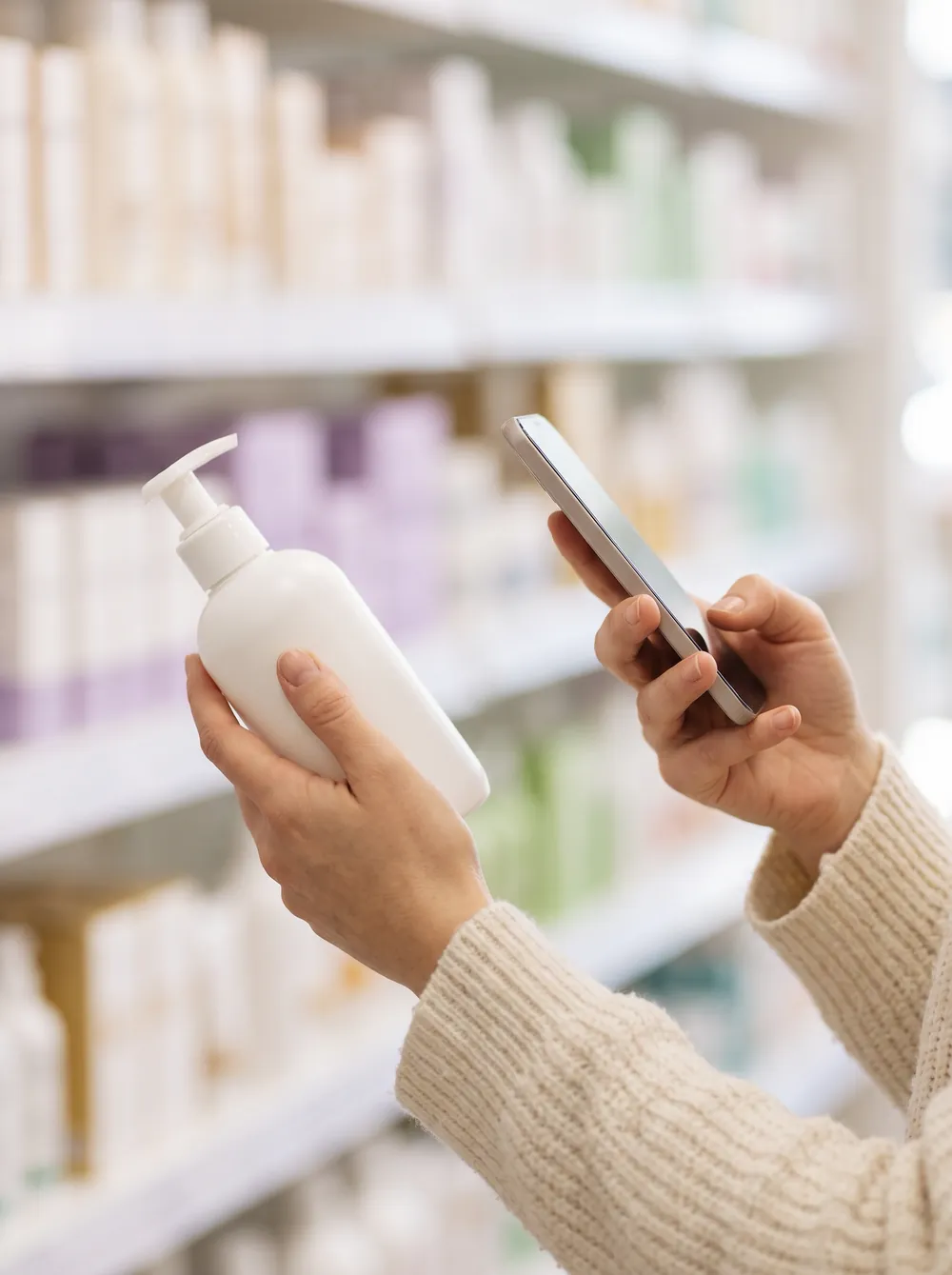


Three ways to check a product
- Scan the barcodePoint your camera at the pack.
- Type the digitsFor when a barcode will not scan.
- Photograph the labelFor when a product is not in any database.


Every result has a reason
Each product gets a clear verdict for the topics you picked, and you can see exactly why. Open one to see it in the app.
Low Risk
No ingredients were flagged for the health topics you selected.
Caution
An ingredient may matter for one of your topics. The result names it and tells you why.
Avoid
Published guidance or research points against an ingredient for one of your topics. The result names the ingredient driving it.
Unknown
Too little of the label could be read to give a confident answer. An ingredient the app does not recognise is never treated as safe.
Tap any ingredient. See who says so.
What it is, why it may matter for the topics you picked, how strong the evidence is, and which sources say so: regulatory opinions and peer-reviewed research.
- SCCS
- EFSA
- ECHA
- IARC
- Health Canada

Real labels, in plain words
The products on your shelf list dozens of long names. Open one to see what each ingredient is.
-
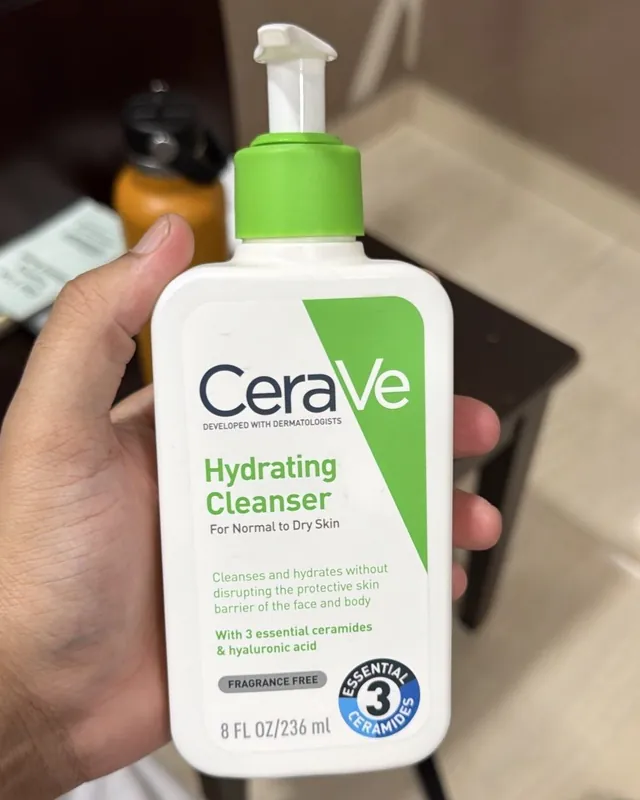
CeraVe
Hydrating Cleanser
What’s in it: 22 ingredients
- Aqua/WaterSolvent, the base of most formulas.
- GlycerinA humectant that draws water to the skin.
- Cetearyl AlcoholFatty alcohol, softens and stabilises.
- PEG-40 StearateA family of emulsifiers that blend oil and water.
- Stearyl AlcoholFatty alcohol, softens and stabilises.
- Potassium PhosphateA mineral salt that holds a formula at the right pH.
- Ceramide NpLipids found in the skin’s outer layer.
- Ceramide ApLipids found in the skin’s outer layer.
- Ceramide EopLipids found in the skin’s outer layer.
- CarbomerA gel-forming polymer that gives creams their texture.
- Glyceryl StearateBlends oil and water phases.
- Behentrimonium MethosulfateA conditioning agent that smooths hair and helps creams emulsify.
- Sodium Lauroyl LactylateAn emulsifier made from lauric and lactic acids.
- Sodium HyaluronateA humectant that holds water at the skin’s surface.
- Disodium EDTABinds trace metals so a formula stays stable.
- Dipotassium PhosphateA mineral salt that holds a formula at the right pH.
- CholesterolA lipid naturally present in the skin barrier, used alongside ceramides.
- PhenoxyethanolA broad-spectrum preservative.
- Xanthan GumNatural thickener.
- TocopherolAntioxidant, protects oils in the formula.
- PhytosphingosineA building block of ceramides.
- EthylhexylglycerinA skin conditioner that also boosts preservatives.
-
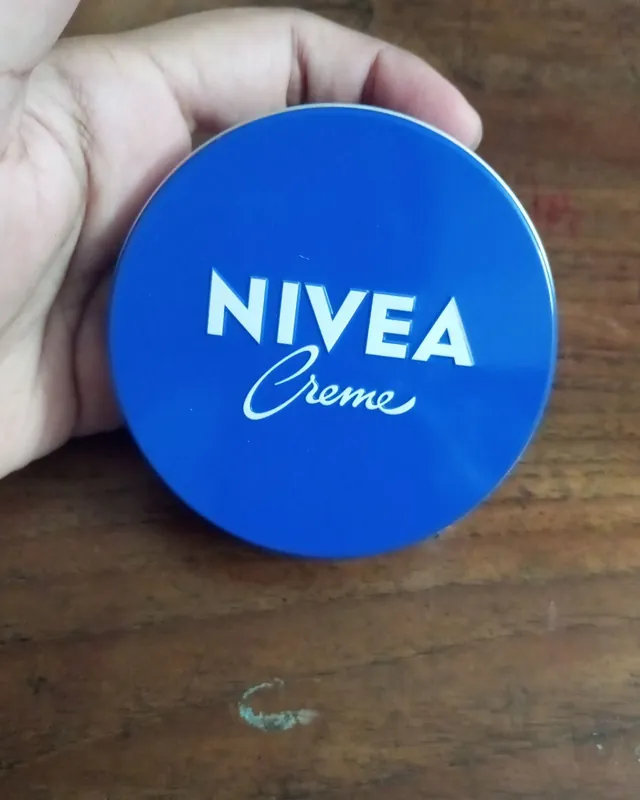
NIVEA
Creme
What’s in it: 21 ingredients
- AquaSolvent, the base of most formulas.
- Paraffinum LiquidumHighly refined liquid petroleum oil that softens skin and slows water loss.
- Cera MicrocristallinaNot in our reference data yet.
- GlycerinA humectant that draws water to the skin.
- Lanolin Alcohol (Eucerit)Not in our reference data yet.
- ParaffinA refined wax that gives balms and sticks their body.
- PanthenolPro-vitamin B5.
- Magnesium SulfateNot in our reference data yet.
- Decyl OleateNot in our reference data yet.
- OctyldodecanolA fatty alcohol used to soften and thicken.
- Aluminum StearatesNot in our reference data yet.
- Citric AcidAdjusts acidity.
- Magnesium StearateNot in our reference data yet.
- LimoneneA fragrance component the EU requires to be named on the label rather than hidden inside “parfum”.
- GeraniolA fragrance component the EU requires to be named on the label rather than hidden inside “parfum”.
- HydroxycitronellalA fragrance component the EU requires to be named on the label rather than hidden inside “parfum”.
- LinaloolA fragrance component the EU requires to be named on the label rather than hidden inside “parfum”.
- CitronellolA fragrance component the EU requires to be named on the label rather than hidden inside “parfum”.
- Benzyl BenzoateA fragrance component the EU requires to be named on the label rather than hidden inside “parfum”.
- Cinnamyl AlcoholA fragrance component the EU requires to be named on the label rather than hidden inside “parfum”.
- ParfumA blanket term for a scent blend that does not have to be itemised.
-
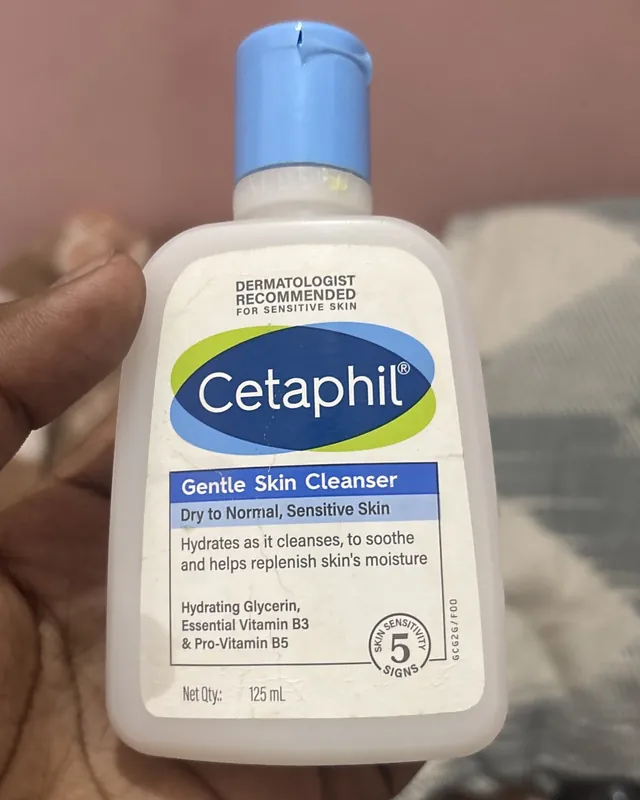
Cetaphil
Gentle Skin Cleanser
What’s in it: 10 ingredients
- AquaSolvent, the base of most formulas.
- GlycerinA humectant that draws water to the skin.
- Cetearyl AlcoholFatty alcohol, softens and stabilises.
- PanthenolPro-vitamin B5.
- NiacinamideA form of vitamin B3.
- PantolactoneNot in our reference data yet.
- Xanthan GumNatural thickener.
- Sodium Cocoyl IsethionateA coconut-derived cleanser used in syndet bars and face washes.
- Sodium BenzoateA preservative.
- Citric AcidAdjusts acidity.
-
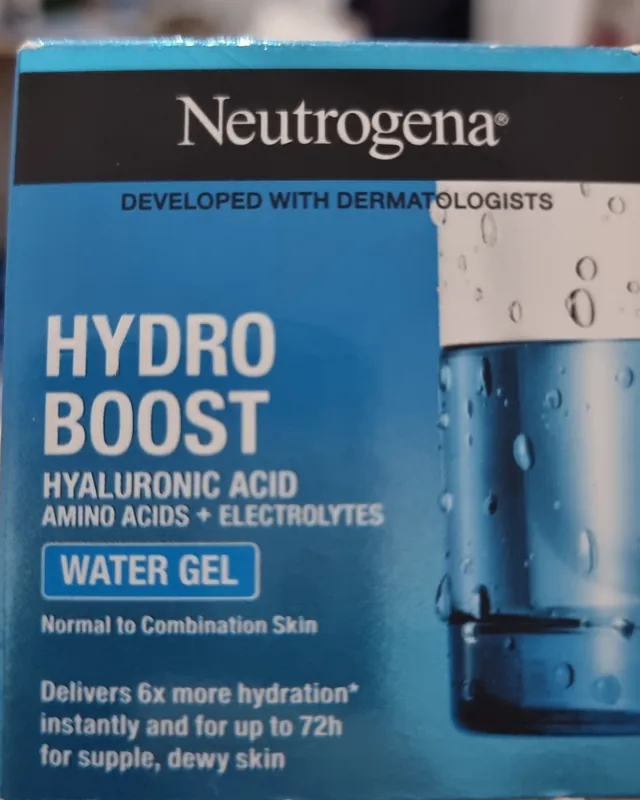
Neutrogena
Hydro Boost Aqua-Gel
What’s in it: 21 ingredients
- AquaSolvent, the base of most formulas.
- DimethiconeNon-volatile silicone, forms a smooth film.
- GlycerinA humectant that draws water to the skin.
- Dimethicone/Vinyl Dimethicone CrosspolymerNon-volatile silicone, forms a smooth film.
- Sodium HyaluronateA humectant that holds water at the skin’s surface.
- EthylhexylglycerinA skin conditioner that also boosts preservatives.
- DimethiconolNon-volatile silicone, forms a smooth film.
- Cetearyl OlivateAn olive-oil-derived emulsifier.
- Sorbitan OlivateAn olive-oil-derived emulsifier.
- Laureth-7Not in our reference data yet.
- C12-14 Pareth-12 PolyacrylamideNot in our reference data yet.
- Dimethicone CrosspolymerA silicone gel that gives a smooth, matte feel.
- CarbomerA gel-forming polymer that gives creams their texture.
- C13-14 IsoparaffinA light, fast-absorbing emollient.
- Sodium HydroxideNeutralises acidity in trace amounts.
- PhenoxyethanolA broad-spectrum preservative.
- ChlorphenesinA preservative booster used at low levels.
- MethylparabenA preservative that stops bacteria and mould growing in water-based formulas.
- Benzoic AcidA widely used preservative, also found naturally in fruit.
- ParfumA blanket term for a scent blend that does not have to be itemised.
- CI 42090A synthetic blue colour used in foods and cosmetics.
-
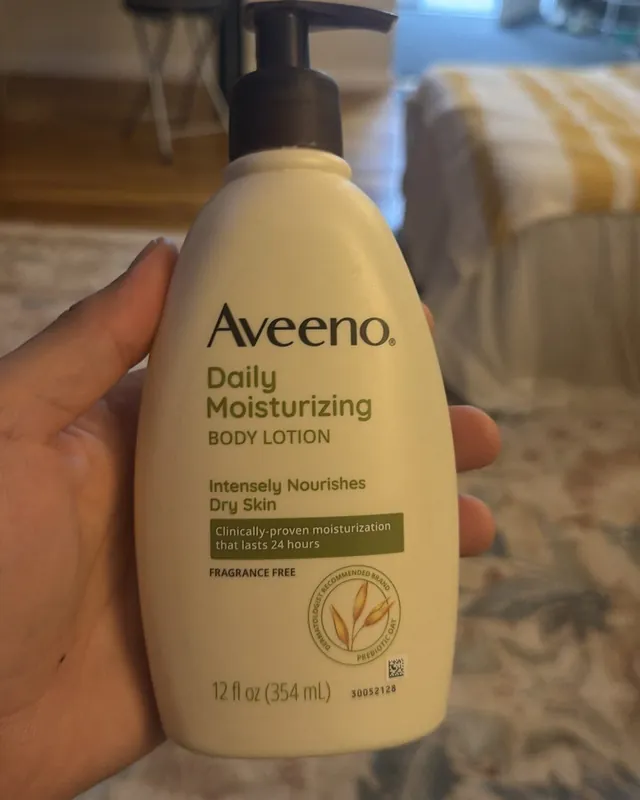
Aveeno
Daily Moisturizing Body Lotion
What’s in it: 10 ingredients
- WaterSolvent, the base of most formulas.
- GlycerinA humectant that draws water to the skin.
- Distearyldimonium ChlorideNot in our reference data yet.
- PetrolatumPurified petroleum jelly that seals moisture into the skin.
- Isopropyl PalmitateA light emollient ester that makes creams spread easily.
- Cetyl AlcoholFatty alcohol, softens and stabilises.
- Avena Sativa (Oat) Kernel FlourFinely ground oat.
- DimethiconeNon-volatile silicone, forms a smooth film.
- Benzyl AlcoholA fragrance component the EU requires to be named on the label rather than hidden inside “parfum”.
- Sodium ChlorideThickener and mineral salt.
-
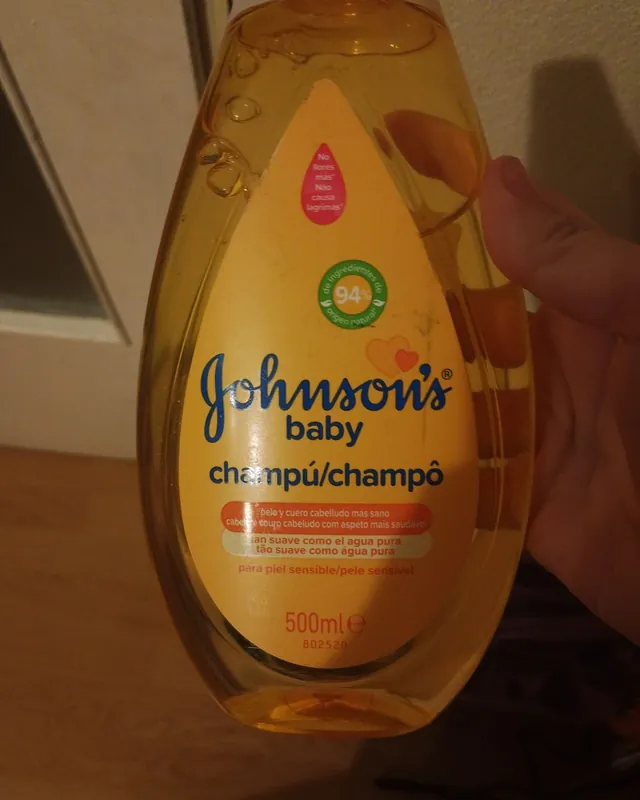
Johnson’s
Baby Shampoo
What’s in it: 15 ingredients
- AquaSolvent, the base of most formulas.
- Cocamidopropyl BetaineA coconut-derived foaming agent used in shampoos and washes.
- Decyl GlucosideA sugar-derived cleanser.
- Sodium Cocoyl IsethionateA coconut-derived cleanser used in syndet bars and face washes.
- GlycerinA humectant that draws water to the skin.
- Polyquaternium-10A cellulose-derived conditioning polymer.
- Coconut AcidThe mix of fatty acids from coconut oil, used to make soaps.
- Citric AcidAdjusts acidity.
- Sodium Methyl Cocoyl TaurateA coconut-derived cleanser.
- PEG-80 Sorbitan LaurateNot in our reference data yet.
- PEG-150 DistearateNot in our reference data yet.
- Sodium ChlorideThickener and mineral salt.
- Disodium EDTABinds trace metals so a formula stays stable.
- Sodium BenzoateA preservative.
- ParfumA blanket term for a scent blend that does not have to be itemised.
Examples of how a label reads, not ratings or recommendations. HormoneGuard is not affiliated with or endorsed by these brands, whose names and marks belong to their owners. Lists and photos come from Open Beauty Facts contributors and vary by country and over time, so check the pack you are holding.

Choose what matters to you
Every product is checked against all of the topics you choose. Change them whenever you like.
Honest when it doesn’t know
When research on one of your topics is thin, the result says so instead of offering false reassurance. Ingredients classified by AI are labelled model-assisted.
A method you can check
The app shows how every verdict is reached: the deduction table, the rule for each health topic, and the size and version of its reference database. It’s published here too.
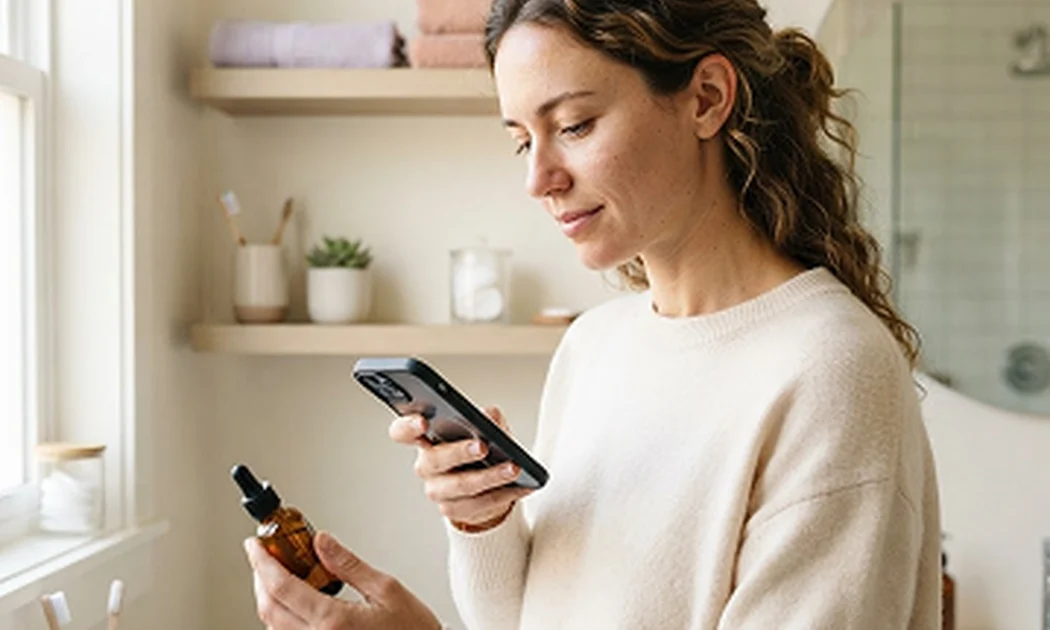
Private by design
- No sign-up, no email, no password
- Your scan history, saved products and health topics stay on your phone
- Your health topics are never sent to us, our AI provider or our analytics
- Usage analytics can be switched off in Settings
- Delete your account and data in Settings at any time
Free to use. Premium if you want it.
Free
A number of scans each day, with ads.
Premium
No daily limit and no ads. The price and period are shown before you buy.
Know what’s inside, and why
Coming soon to the App Store and Google Play